

Dr. Gokhan Guvener
Otorhinolaryngologist-Head and Neck Surgeon, Acupuncturist
Tel: 07521 195818
https://www.instagram.com/drgokhanguvener?
While you sleep, the muscles of your throat relax, and your throat becomes narrower and floppy. If the airway narrows too much, airflow becomes turbulent instead of smooth and steady. This makes the walls of the throat begin to vibrate—generally when you breathe in, but also, to a lesser extent, when you breathe out. These vibrations lead to the characteristic sound of snoring. The narrower your airway becomes, the greater the vibration and the louder the snoring.
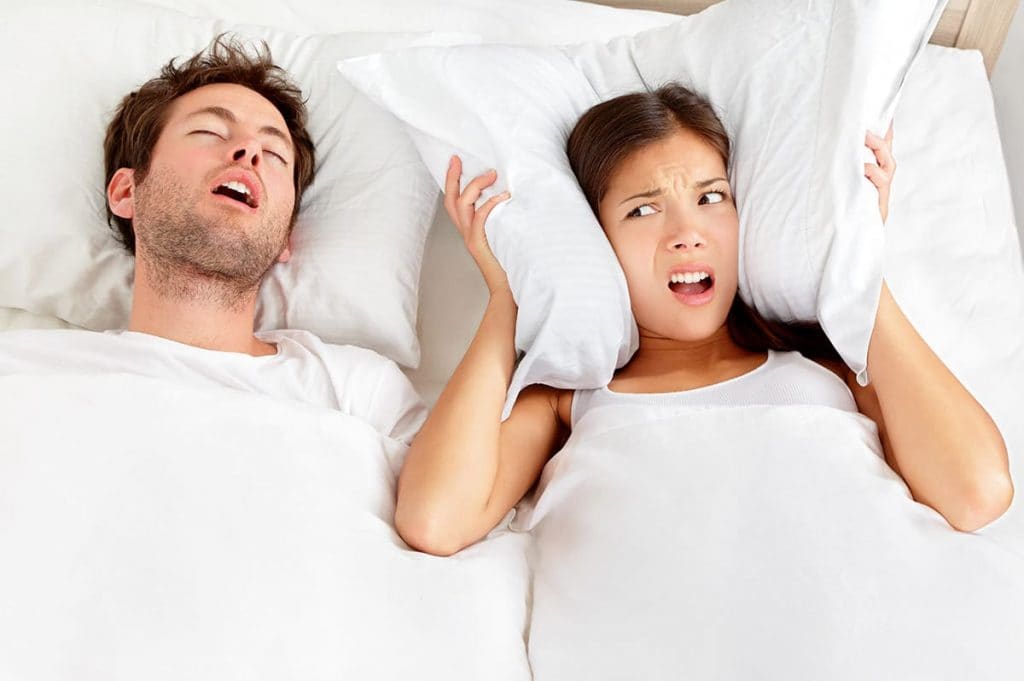
Causes of snoring include the following:
• Decreased muscle tone. Muscle tone decreases as we age, allowing the sides of the throat to close together and the tongue to fall backward into the airway.
• Obesity. Being overweight often contributes to snoring, since excess fat in the neck area reduces the width of the air passage.
• Congestion. Your nasal passages become inflamed as a response to a cold or allergies, narrowing the air passage and forcing you to inhale even harder to get air into your lungs. Congestion also can occur when you breathe in excessively dry air at night; the mucus in your nose and throat thickens and forms crusts, limiting airflow.
• Anatomical abnormalities. Anything that causes airway narrowing can lead to snoring. In the nose, for example, the septum (a three-inch-long partition of bone and cartilage) is often crooked from birth or as the result of blunt trauma during childhood or adulthood. Or the nasal valve—the firm tissue surrounding the passageway in the middle third of your nose that collapses inward slightly when you take a deep breath may be narrower than normal, making it hard for inhaled air to get by. In the mouth and throat, the tonsils, tongue, uvula (the tissue that hangs down in the back of your throat), and adenoids (a lump of tissue at the back of the nose that contains cells designed to fight infection) may become enlarged and narrow the airway. The soft palate, a muscular flap between the nose and mouth that directs food and air during swallowing or speaking, may become elongated, narrowing the opening from the nose into the throat. A very small or narrow jaw also may contribute to snoring.
• Alcohol and drugs. Alcohol and certain prescription medications—such as sedatives for insomnia and anxiety and muscle relaxants for back pain and arthritis—can cause the throat muscles to relax more than usual, resulting in a narrow airway and causing or worsening snoring. Sleep specialists take all snoring seriously because it may indicate that a person has sleep apnea or is likely to develop it in the near future. It’s difficult to distinguish between simple snoring and OSA without studying the person while asleep, so anyone who snores heavily should get a thorough examination of the throat, mouth, palate, tongue, and neck, and may need to undergo a sleep study.
Obstructive Sleep Apnea
Obstructive sleep apnea affects millions of adults in the World and is most frequently seen in overweight men. Physicians rarely checked for it except in the stereotypical patient—a sleepy, overweight, middle-aged man who snored. But, researchers learned that apnea is more common in both men and women than previously thought. About 4 percent of men and 2 percent of women were estimated to have the full sleep apnea syndrome, which includes abnormal breathing events and daytime sleepiness.
So it’s not just overweight men who get OSA. All the things that block the upper airway in simple snoring—such as enlarged tonsils, an elongated uvula, fatty deposits in the airway walls, nasal congestion, or extra floppy tissue at the back of the palate—can cause it. In many cases, people with OSA were born with smaller-than-usual airway openings, which makes obstruction during sleep more likely. Women lose the protective effect of estrogen and progesterone after menopause, and their likelihood of having OSA increases almost to the rate seen in men. Untreated, OSA can have serious consequences. The relentless daytime fatigue that often results may lead to failed careers, broken marriages, and automobile and workplace accidents. It can even be life-threatening, leading to the development of hypertension, heart failure, and stroke. (A 2005 New England Journal of Medicine study found that sleep apnea doubles a person’s risk of stroke over a seven-year period.)
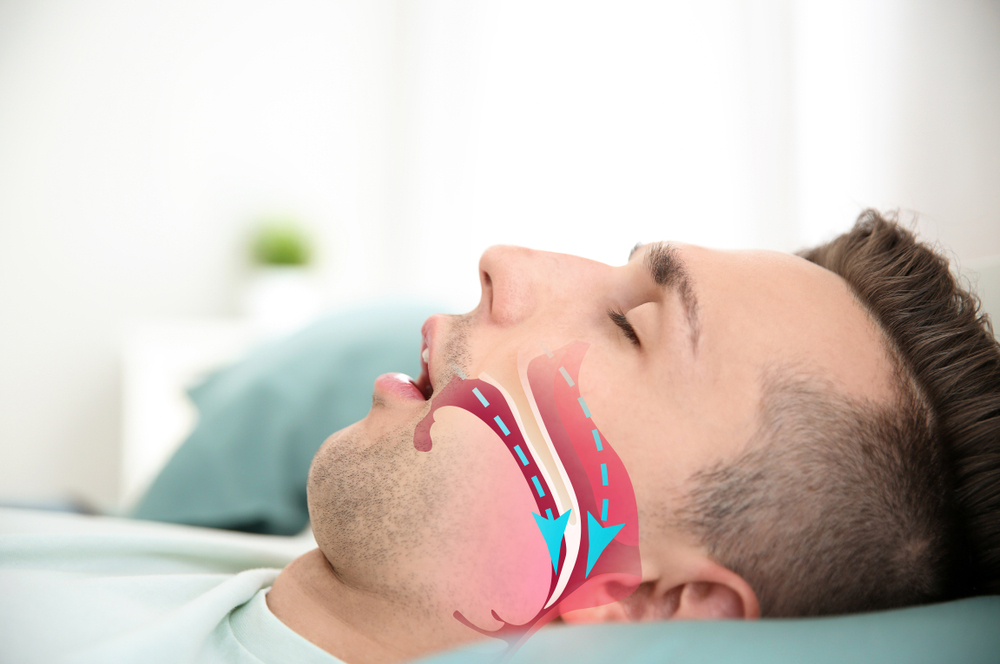
Understanding Apnea
As you know, a small amount of airway narrowing at the onset of sleep causes snoring. The more the airway narrows, the harder it is to get an adequate size breath and the greater the effort needed to breath. As breath size gets smaller, blood oxygen levels drop and carbon dioxide builds up. In some cases the airway closes completely and no air gets in at all. Eventually the increasing effort required to breathe, along with the lack of oxygen and buildup of carbon dioxide, causes the sleeper to awaken and gasp loudly for air. After several large breaths, the blood oxygen and carbon dioxide levels return to normal and the person falls back to sleep, only to repeat the cycle again. Some people with sleep apnea repeat this cycle hundreds of times a night without being fully aware of what is happening. The repeated awakenings make sleep non-restful and result in daytime sleepiness. The drops in oxygen and the extra work required to breathe stress the heart and can lead to cardiovascular problems over the long term. Many people with OSA don’t realize how little sleep they’re actually getting and assume it’s normal to feel lethargic and sleepy all the time. Others wake up after bouts of apnea and have difficulty getting back to sleep; they may reason that insomnia—not a breathing problem—makes them sleepy during the day. The condition can become even more perilous if a person with apnea is treated with sleeping pills, which can further relax airway muscles or suppress arousal or breathing.
A six-question screening test can help you determine if you need to be tested for sleep apnea. Symptoms and signs include the following:
• Snoring. The hallmark of OSA is extremely loud snoring. Bed partners often liken it to a chainsaw or a foghorn, and they notice a pattern of snoring interrupted by periods of silence that end with snorting or gasping sounds. In many cases, the snoring is so irksome that spouses choose to sleep in another room. Not surprisingly, it’s often the spouse who forces the person with sleep apnea to seek treatment.
• Thick neck. The risk of having OSA rises with increasing neck size, a measure of body weight. Men with a neck circumference of seventeen inches or more and women with a neck circumference of sixteen inches or more are at higher risk. As with snoring, obesity is a major risk factor here, since fatty deposits surrounding the throat expand as people gain weight, narrowing the airway.
• Hypertension and cardiovascular problems. The 2003 report from the U.S. National Committee on Prevention, Detection, Evaluation, and Treatment of High Blood Pressure lists sleep apnea as the first of ten identifiable causes of hypertension, and more than half of patients with OSA have it. Other cardiovascular problems are also common; sleep is normally a time of rest for the heart, but sleep apnea forces the heart to work harder every time blood oxygen levels dip and the person wakes up to breathe. OSA patients have a higher risk for stroke, heart attack, heart failure, and arrhythmias (irregular heartbeats), most likely due to the high blood pressure apnea causes.
• Daytime sleepiness. People with OSA are excessively sleepy during the day and may fall asleep at unexpected times. They often describe feeling like they’re in a fog all day long.
• Cognitive problems. OSA patients report problems with memory, learning, reaction time, and concentration. This is partly due to being too sleepy to pay attention to new things but also may reflect permanent impairment in brain function from oxygen deprivation.
• Weight gain. The risk of developing OSA increases as weight goes up. In addition, chronic sleep deprivation causes changes in the levels of the hormones regulating appetite and weight, predisposing a person to weight gain.
• Diabetes. Results from the large Sleep Heart Health Study found a strong association between OSA and type 2 diabetes. Animal models suggest that sleep disruption and intermittent drops in oxygen level may cause disruptions in insulin levels and sugar metabolism that lead to diabetes.
• Other health problems. People with OSA frequently experience headaches and face an increased risk for depression.
Sources: Lawrence J. Epstein, M.D. Harvard Medical School,

 On Acupuncture and Otolaryngology