

Dr. Gokhan Guvener
Otorhinolaryngologist-Head and Neck Surgeon, Acupuncturist
Tel: 07521 195818
http://www.drgokhanguvener.com
https://www.instagram.com/drgokhanguvener?
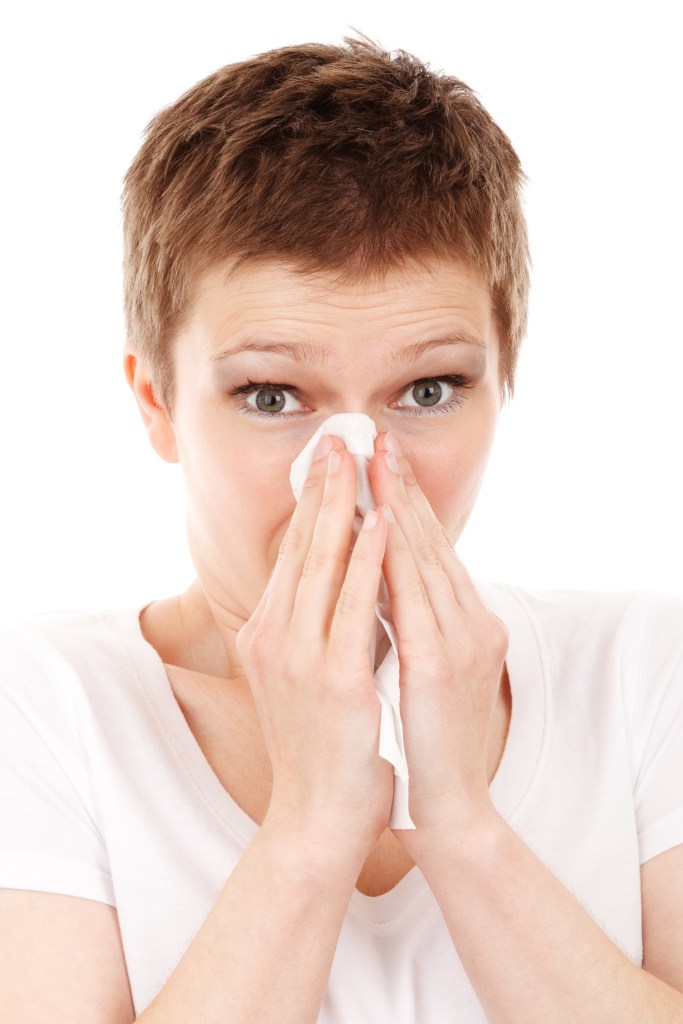
Allergic rhinitis is a like-cold disease with the same symptoms. The reasons are not viruses or bacteria even though it seems to be upper respiratory tract infection. It comes out as an abnormal reaction of nasal mucosa against allergens.
It is increasing in prevalence and flux between 20 – 30% following the studies. Some forms continue throughout the year, as well as forms that appear only seasonally. Some forms have year-round symptoms and additively go in the way of seasonal exacerbations.
Allergens such as molds, house dust mites, insects, and pet dander are often responsible for year-round allergic rhinitis. In seasonal allergic rhinitis, allergens such as weed, grass, and tree pollen are involved. Although it varies according to the region of residence; tree pollen is usually the cause of seasonal rhinitis in the spring, meadow grass pollen in the spring and summer, and weed pollen in the fall. For seasonal allergic rhinitis, names such as hay fever, spring fever and summer fever are also used.
Symptoms such as nasal congestion and discharge, sneezing, sometimes itching in the nose, palate, and throat, redness of the eyes, itching, and deliquescence, swelling and bruising under the eyes, pressure sensation in the sinuses and facial pain, cough, smell, and taste disorders can be seen.
The same symptoms can be seen in the common cold. However, in allergic rhinitis, the runny nose (nasal flow) is more aqueous and colourless. Maybe more viscous and whiter or yellow, in cold. The symptoms in Common cold appear a few days after exposure to the virus and subside in 5-7 days on average. In allergic rhinitis, the symptoms appear immediately after exposure to the allergen, and the symptoms continue as long as the exposure lasts.
Allergic rhinitis can begin at any age, however, its occurrence in childhood and adolescence is more common.
In this disease, the immune system develops an abnormal immune response against certain substances (inhaled and not actually harmful) mistakenly perceiving them as harmful and begins to form antibodies. When contacted with allergens, a reaction occurs through these antibodies and these allergic symptoms occur with some chemical substances released.
Seasonal allergic rhinitis significantly reduces the quality of life with intense symptoms. It adversely affects work and school performance. It reduces sleep quality and creates additional problems related to this. It can trigger asthma attacks in those with asthma. It may predispose to sinusitis and ear infections, especially in children.
The most valuable criteria in diagnosis are the history of the disease and physical examination findings. If necessary, skin tests or specific allergy tests in the blood can be applied.
Avoiding exposure to the allergen is very important in seasonal allergic rhinitis. The precautions that can be taken for this can be listed as follows:
– Keeping doors and windows closed during pollen seasons
– Do not hang up the laundry outside in these seasons (Pollen can settle on sheets, towels and clothes)
– Using filtered air conditioning and ventilation systems at home, at work and in the car.
– Avoid going out in the morning hours when allergens are most prevalent, wearing a mask to go out if necessary.
– Refraining from gardening in these periods.
Despite all precautions, it may not always be possible to stay away from allergens. In this case, various medications in the form of nasal spray and tablets that will reduce the symptoms should be used with the doctor’s recommendation.

 On Acupuncture and Otolaryngology