

Dr. Gokhan Guvener
Otorhinolaryngologist-Head and Neck Surgeon, Acupuncturist
Tel: 07521 195818
http://www.drgokhanguvener.com
https://www.instagram.com/drgokhanguvener?
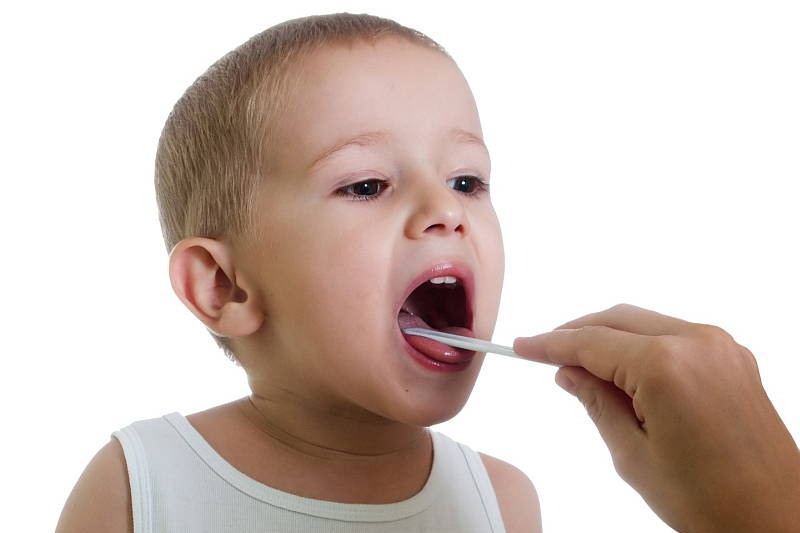
Tonsils are oval-shaped organs placed in the folds on both sides of the back of the throat. The Latin term “tonsillitis”, which means infection of the tonsils, is widely used both in medical language and in daily speech.
Tonsillitis can be caused by various viruses or by bacteria as well. Bacteria-induced tonsillitis has a more serious course and can lead to serious complications.
Symptoms;
– Red and swollen tonsils
– Throat ache
-Fever
– Yellow-white plaques on the tonsils
– Painful and tender lymph node growths in the neck
– Difficulty in swallowing, loss of appetite
-Bad breath, halitosis
– Voice changes
– Nausea, vomiting, and abdominal pain, especially in children;

Tonsils are the first protective barriers of our immune system against microbes that are inhaled. They give an initial reaction and contain a significant amount of germ-fighting white blood cells. After puberty, the role of the tonsils in the immune system decreases relatively.
Tonsillitis is more common in children and teenagers. Crowded and poorly ventilated environments where viruses and bacteria can easily spread are also a risk factor. Other risk factors include; Smoking (including passive smoking), malnutrition, stress, fatigue, chronic oral breathing due to nasal breathing problems, diseases affecting the immune system, and the use of medications that suppress immunity.
The effect of cold drinks and ice cream consumption has not been scientifically proven. It is thought that the narrowing of the vessels due to the cold effect and it’s affecting the local resistance paves the way for microbes to settle and multiply. It should not be forgotten that structural features may vary from person to person. It may be more appropriate for sensitive people to consume ice cream and cold drinks in small bites by keeping them in the mouth and heating them.
Virus-borne tonsillitis is expected to recover spontaneously under the influence of the immune system, and supportive treatments can be given. Antibiotics may be required in bacterial tonsillitis. Although there are no exact criteria to distinguish bacterial and viral infections, it is important to make this distinction when deciding on antibiotic use.
– In bacterial infections, sore throat and difficulty swallowing are usually more severe and prolonged.
– The general condition has deteriorated more significantly; the fever is generally above 38.3 degrees and resistant.
– In bacterial tonsillitis; Other signs such as sneezing, cough, and runny nose are more subtle or absent.
– Tests such as various blood tests, rapid streptococcal test, and throat culture also help in making an antibiotic decision.
– Antibiotic treatment is given by a doctor’s recommendation in bacterial tonsillitis; Even if the symptoms improve, it should be used for seven to ten days. Early discontinuation of treatment may pave the way for disease renewal, spread, and complications. Relieving pain, reducing fever, ensuring adequate fluid intake and rest; It is a general treatment approach in both viral and bacterial tonsillitis. Especially in children, severe feeding difficulties can be seen due to swallowing difficulties and pain. It is also important to provide nutrition with easily swallowable liquid or soft foods (such as drinks, soups, purees, yogurts).
Failure to respond to antibiotic treatment and rashes (skin eruptions) in the body should recall other diseases (such as infectious mononucleosis) that become diagnosable upon tonsillitis or adenoids.
Disease-causing microbes are contagious. Therefore, general hygiene measures are important. Close contact with sick people should be avoided, and materials such as glasses, forks, and spoons should not be shared with others. It is important to wash hands frequently with soap. Disinfectant wipes can be used in the absence of water and soap. Caring that people who get sick will not go to school and work during this period and that they do not spread the disease is important for public health.


